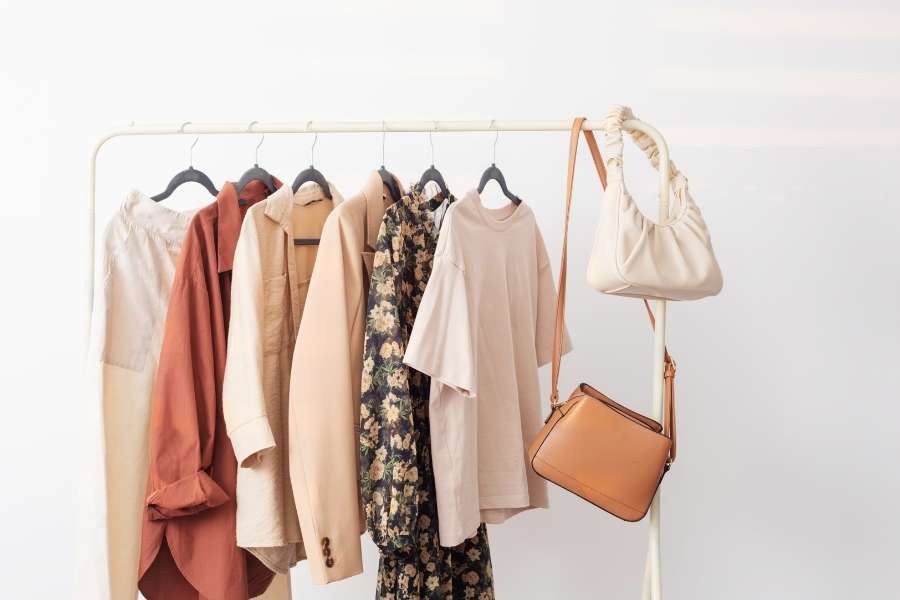
Slide open your crowded closet doors. Do you see a chaotic mountain of fabric staring back at you? Do you still mutter that you have absolutely nothing to wear? You are definitely not alone in this loop. Many shoppers get trapped in a vicious cycle of cheap fast-fashion micro-trends. We spend hard-earned cash on garments that shrink after one spin in the wash. Breaking free does not require a massive bank account. You just need a strategic shift toward a curated sustainable capsule framework. Transitioning to a deliberate way of dressing rescues your chaotic mornings. It protects your wallet and helps our shared planet.
Modern eco-conscious style is no longer an exclusive club for affluent shoppers. You do not need to drop thousands of dollars on luxury linen sets. Embracing practical minimalism is about extracting maximum utility and joy from few clothes. You can easily express your individual style using a limited number of versatile clothing items. In this guide, we break down the exact strategies to transform your messy closet. You can do this without emptying your savings account. By learning the principles of intentional style, you can curate a beautiful collection. These pieces will flatter your body shape and align with your values. They will effortlessly endure for years to come.
The True Philosophy Behind Conscious Minimalism
Before sorting through your clothes, let us unpack why our current collective buying habits fail. The global fast-fashion industrial complex relies heavily on producing astronomical quantities of low-grade clothing. These cheap polyester and cotton items are designed to fall apart in weeks. By intentionally shifting our daily mindset toward a thoughtful sustainable capsule, we reject this wasteful throwaway culture. This lifestyle transformation is not about deprivation. You can master elegant daily looks if you learn how to elevate your style with timeless wardrobe staples instead of buying endless novelties. These garments will truly fit your unique lifestyle.
Stepping off the non-stop treadmill of fast fashion means welcoming deep, comforting relief. You get to enjoy a highly functional capsule collection. Imagine a great wardrobe where every single top effortlessly matches every single bottom. This system completely eliminates early-morning decision fatigue. When we strip away the constant noise of passing internet trends, we discover our true style. We find what fits and colors actually make us feel confident. It is a liberating journey that proves you do not need an enormous walk-in closet. You can look exceptionally polished, sophisticated, and stylish every single day with less.
To put things into perspective, let us look at how a conscious wardrobe compares to conventional shopping habits across several key categories:
| Wardrobe Aspect | Fast Fashion Approach | Sustainable Capsule Approach |
| Average Item Lifespan | 3 to 6 months (frequent pilling) | 3 to 10+ years (with care) |
| Cost Per Wear (CPW) | High ($20 shirt worn twice = $10) | Low ($60 shirt worn 60 times = $1) |
| Environmental Impact | Massive footprint, plastic shedding | Minimal waste, circular utilization |
| Daily Style Flexibility | Overwhelming choices, hard to match | Streamlined, hyper-coordinated outfits |
Decoding the Secrets of Longevity and True Eco-Friendly Garments
Many eager beginners assume that buying eco-friendly clothes requires spending hundreds of dollars. They look for specialized boutique labels that cost too much. However, learning how to recognize durable materials is the absolute best way of building a timeless wardrobe on a budget. Look closely at fabric care labels for sturdy natural fibers. Seek out organic linen, hemp, Tencel, and certified recycled wool. These breathable materials feel significantly better against your skin. They handle regular washing cycles far better than fragile synthetic alternatives.
Developing a sharp eye for clothing construction is a crucial skill. It helps anyone exploring sustainable fashion tips for beginners. Take a moment to gently tug at the seams of a garment. See if the stitches hold firm under pressure. Check if the zippers are robust and metallic. Look for extra buttons sewn onto the inside tags. A well-constructed shirt purchased from a thrift shop for five dollars will easily outlast a twenty-dollar fast-fashion top. Fragile synthetic blends simply degrade too fast. Training yourself to spot these small details prevents you from falling for deceptive corporate greenwashing. It ensures your money goes toward true durability.
By shifting your focus toward these structural details, you can seamlessly navigate the complex world of modern textiles on any budget:
- Prioritize tight, dense weaves over loose, flimsy knits that lose shape instantly.
- Opt for reinforced stitching along high-stress areas like armpits, pockets, and crotches.
- Choose natural, bio-based fibers that do not release harmful synthetic microplastics into our waterways.
- Test the weight and flexibility of hardware like buttons, snaps, and closures before purchasing.
The Golden Rule of Smart Shopping: Cost Per Wear
Never judge an item’s true cost solely by its initial price tag. Divide the total price by the number of times you will actually wear it. A thrifted $15 vintage jacket worn 100 times costs just $0.15 per wear, making it vastly more affordable than a cheap $30 trendy dress worn only once.
Practical Strategies for a Thorough Wardrobe Detox
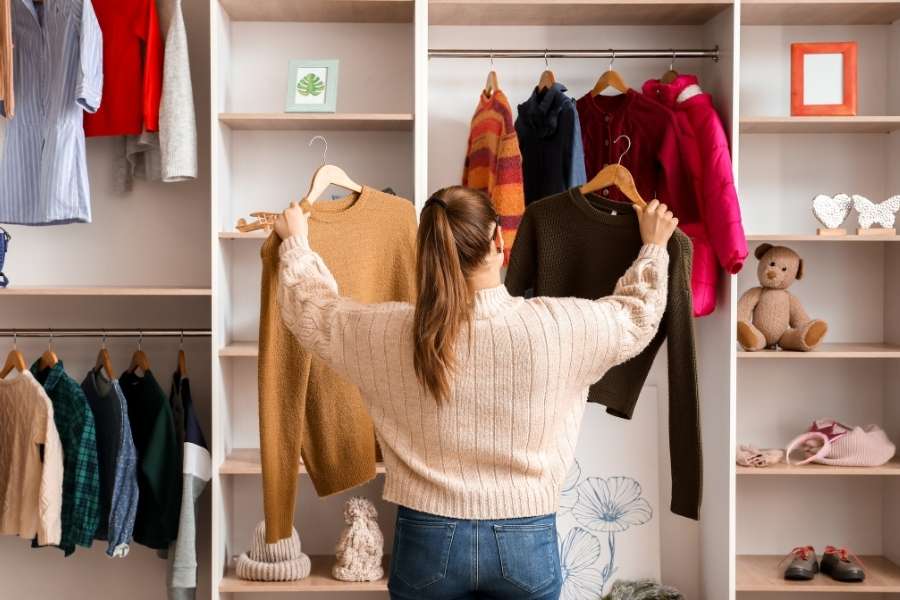
The inspiring journey toward a functional sustainable capsule always begins with a thorough look inside. You must conduct an honest audit of the clothes you already own. You absolutely do not need to throw away everything and start from scratch. Doing that completely defeats the purpose of environmental sustainability. Instead, set aside a quiet afternoon to empty your entire closet onto your bed. Evaluate every item individually with an open mind. Ask yourself honestly if the garment fits your current body. Check if you have worn it in the past year. Ensure it truly brings you joy.
Sorting your clothing into clear, actionable categories makes the entire process feel manageable. It turns wardrobe organization into a simple, step-by-step routine instead of an overwhelming chore. It becomes easy to adapt when you track essential fashion trends for the upcoming season without buying useless clutter. Divide your clothes into dedicated piles: keep, repair, donate, and sell. Be ruthless with your choices during this phase. Keep only the items that make you feel genuinely comfortable and confident. If you find a beloved pair of trousers with a broken zipper, place them in the repair pile. Keeping your current clothes in active rotation is the most affordable fashion choice you can make.
Let us explore a simple, structured timeline to help you budget and plan your conscious style transition over the course of a year:
| Phase | Primary Focus Area | Estimated Budget Needed |
| Months 1–2 | Complete closet audit, dynamic tracking, and minor repairs | $0 (Free) |
| Months 3–5 | Sourcing foundational basics via thrift stores and secondhand apps | $30 – $70 |
| Months 6–8 | Investing in high-use footwear and weather-appropriate outerwear | $80 – $120 |
| Months 9–12 | Fine-tuning accent colors and optimizing seasonal layer rotations | $20 – $40 |
The Art of Creating a Balanced Color Palette for Effortless Mixing
The secret to unlocking dozens of distinct outfits from just a few items lies in mastering the fundamentals of outfit coordination. Start by selecting two or three reliable neutral base colors. Great choices include deep navy, rich charcoal, warm cream, or classic black. These versatile shades form the structural foundation of your closet. They should appear in high-wear items like trousers, blazers, and structural coats. Because these neutrals mix together perfectly, you can get dressed in pitch-black darkness. You will still look completely put together.
Once your neutral base is secure, introduce one or two carefully selected accent colors. Choose shades that complement your natural skin tone beautifully. Whether you love earthy olive greens, rich rust terracotta, or soft dusty blues, these accents add great personality. They do this without cluttering your closet space. Limiting your color palette ensures that every top matches seamlessly with every bottom. This clever design strategy transforms a tiny collection of thirty items into over a hundred unique outfit combinations. It maximizes your wardrobe’s versatility while keeping your overall spending down.
Sourcing Budget-Friendly and Ethical Garments
Once you have identified the missing foundational pieces in your closet, it is time to practice intentional, ethical shopping. The gold standard for budget-conscious eco-stylists is always exploring the thriving secondhand marketplace. Secondhand apps like Depop, Vinted, and Poshmark allow you to search for amazing pieces. You can find high-end, durable clothing brands at a fraction of their original retail prices. You can easily find premium garments made of pure silk, organic cotton, or linen. They often cost less than a modern fast-fashion alternative.
Thrifting requires patience and a bit of strategy, but it is an incredibly rewarding experience. It is a fantastic way of learning how to create a capsule wardrobe with limited budget. Visit secondhand shops in affluent neighborhoods to find hidden gems. Check the men’s section for oversized structured blazers. Always inspect the fabric quality before heading to the register. Purchasing pre-owned clothes keeps valuable garments out of landfills. It completely eliminates the environmental impact of manufacturing new textiles. It turns the hunt for unique fashion into an exciting, affordable adventure.
If you need to purchase brand-new foundational items like undergarments or basic tees, here is a curated affordable ethical clothing brands list that balances environmental responsibility with fair pricing:
| Brand Name | Eco-Friendly Focus | Core Price Range |
| Organic Basics | Certified organic cotton, recycled nylon basics | $20 – $55 |
| Honest Basics | GOTS-certified materials, circular manufacturing | $15 – $45 |
| Kotn | Ethically sourced Egyptian cotton, direct-to-farm supply | $25 – $60 |
The Power of Choosing Value Over Volume in Your Closet
Adopting a slow fashion mindset means entirely shifting your focus from temporary shopping highs. You must look for long-term styling satisfaction instead. It requires a conscious decision to value quality over quantity every single time you shop. Do not buy five cheap synthetic shirts that lose their shape after a few washes. Save those funds to buy one beautifully crafted top instead. This deliberate approach saves you significant amounts of money over time. It successfully breaks the constant cycle of replacing worn-out garments.
Furthermore, maintaining the clothes you already own is a crucial pillar of eco-friendly fashion. The best part is that it costs almost nothing. Invest in a simple fabric shaver to easily remove pilling from knitwear. Learn how to sew a loose button back on. Let your clothes air-dry whenever possible to protect the fragile fabric fibers. Taking proper care of your garments preserves their appearance. It extends their usable life for years. By treating your clothes with respect, you honor the resources used to make them. You build a truly sustainable wardrobe on your own financial terms.
FAQ
How many total clothes should be in a budget capsule?
There is no strict, absolute number that works for everyone. Most successful capsule curators maintain between 30 and 40 items per season. This count generally includes your daily tops, bottoms, dresses, structured outerwear, and shoes. It excludes undergarments, workout wear, and lounge pajamas. The goal is focusing on maximum versatility so that every single item can be combined into multiple outfits seamlessly.
Can I build a sustainable capsule if I love bright colors?
Absolutely. A minimalist wardrobe does not mean you are forced to wear only beige, gray, or black. The true secret lies in choosing a cohesive color palette. Your chosen bright shades must beautifully complement your neutral base pieces. For instance, if you love vibrant mustard yellow or rich cobalt blue, ensure those colorful tops pair perfectly with your neutral denim, navy trousers, or charcoal skirts.
Is it okay to keep fast-fashion clothes in my eco-wardrobe?
Yes, keeping and wearing your existing fast-fashion garments is actually the most sustainable choice you can make. Throwing away perfectly wearable clothing just because it came from a conventional brand creates unnecessary landfill waste. The most eco-friendly garment is always the one that is already sitting inside your closet. Wear those items proudly and care for them gently until they genuinely reach the end of their usable life.